


Más Información








Recently, Mexico has become an endless source of inspiration for international designer and brands. Unfortunately, many of these brands have decided to appropriate and plagiarize embroideries and motifs instead of collaboration with Mexican artisans.
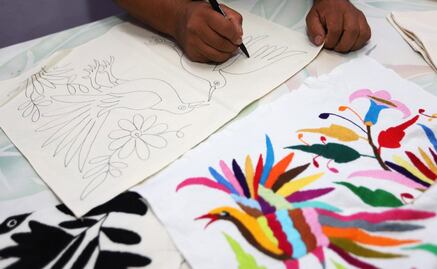
In June, Carolina Herrera's Resort 2020 collection caused controversy because it featured traditional Mexican motifs . For example, a dress resembles a typical Mexican sarape ; many pieces use the orange-yellow color that characterizes cempasuchil , a flower used during The Day of the Dead ; Gordon also used typical Mexican embroideries , especially from Oaxaca , for this collection, as well as Tenangos , which are fantastical creatures embroidered into clothes by Indigenous communities in Mexico . Carolina Herrera's creative director, Wes Gordon , said that he was paying homage to Mexico .
Earlier this month criticism erupted after it was revealed that a chair featuring traditional embroideries was presented as part of Louis Vuitton's Objets Nomades collection. The piece was designed by Raw Edges , a designer duo based in London and while they and Louis Vuitton claim they're in contact and collaborating with Mexican artisans , the Tenango de Doria community denies this claims.
EL UNIVERSAL in English
reached out to Raw Edges and Louis Vuitto n to obtain more information in regards to the collaboration but until now, the companies have declined to discuss the creative process behind the chair.
Now, United Colors of Benetton , an Italy -based brand, seems to have fallen for cultural appropriation .
The Italian brand is currently selling a bikini bottom and a dress featuring Tenangos , nevertheless, the brand claims both garments were “ Designed in Italy ” and made in China and India. Moreover, the description does not mention the Mexican community or the artisans.
The misuse and appropriation of Mexican embroideries , especially Tenangos , is becoming alarming for the artisans, who often struggle to make a living while international companies profit from motifs that have a relevant cultural meaning behind them.
EL UNIVERSAL in English
has reached out to United Colors of Benetton for comment.
gm

Noticias según tus intereses
[Publicidad]
[Publicidad]