


Más Información






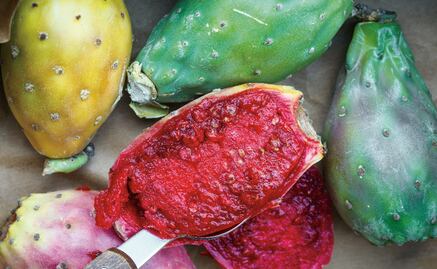
Eating prickly pear fruit , or “tuna” as it is known in Mexico, could help reduce triglycerides , according to information of the article “Prickly pear: a perspective of its production, properties, and preservation methods” published by the Americas University in Puebla .
This would be related to the huge amount of antioxidants and phenolic compounds it contains, which would also help lower cholesterol in the blood.

Antioxidants are effective against the action of free radicals that contribute to the increase of both triglycerides and cholesterol .
Consuming tunas can block the action of free radicals preventing their negative effects on the body, which in turn could help prevent the development of arteriosclerosis .
Scientists are very interested in this property because few studies have analyzed it and the ideal portion of tuna to obtain it is still unknown.
On the other hand, another important benefit of tunas is their high content of vitamin C , which helps strengthen the immune system , improving health in general and helping people recover faster from colds.
Yellow tuna
s have the highest content of antioxidants, and red tunas have the concentration of vitamin C.
In addition, other benefits of tunas are that they have low calories , they improve platelet function , they contribute to improving bone health , and they supply a lot of fiber .
mp

Noticias según tus intereses
[Publicidad]
[Publicidad]